Style Consistency Across Rooms: How Manufacturers Coordinate Materials, Finishes, and Hardware in Custom Home Furniture
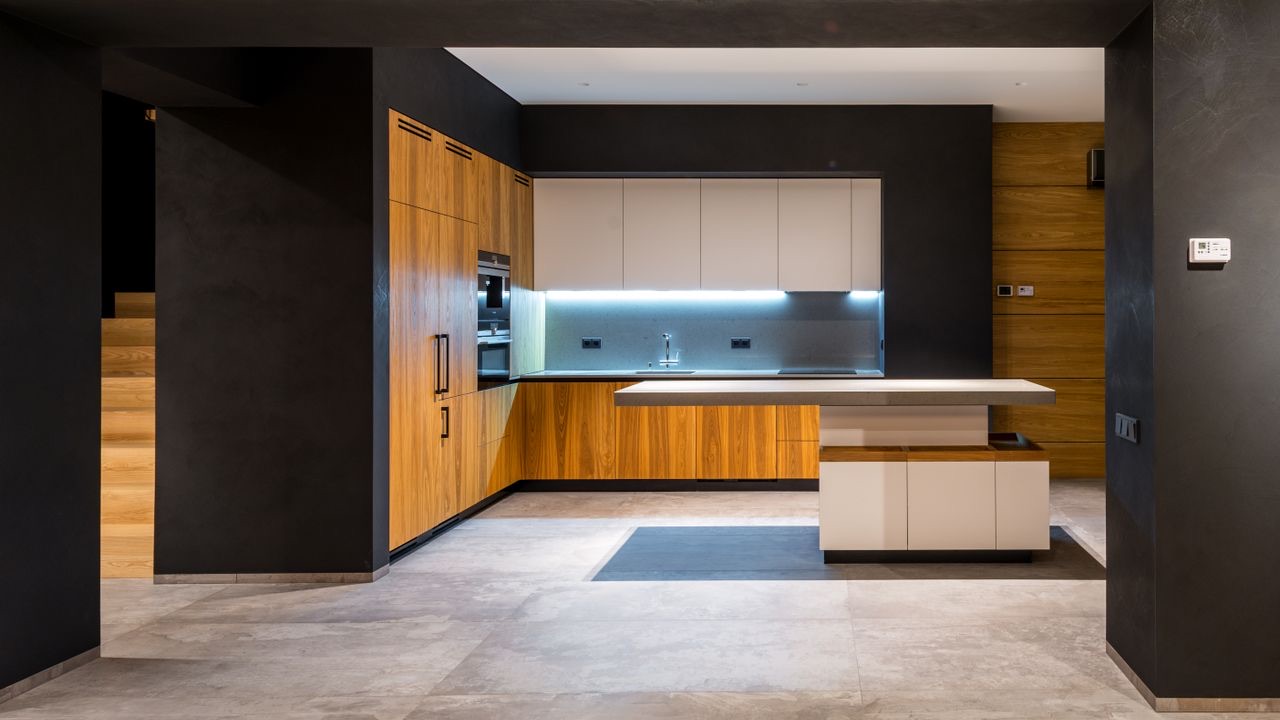
Walking through a home where every room feels like it belongs to the same design language is not an accident. It’s the result of deliberate decisions made early in the design process — decisions about which materials will appear where, how finishes will relate to each other across different product categories, and which hardware family will run throughout the entire home. When these decisions are made room by room with different suppliers, achieving visual unity is difficult. When they’re made as a system with a single manufacturer, it’s significantly more achievable.
This coordination is the core operational argument for whole house customization — not just convenience, but the design output that becomes possible when kitchen cabinets, wardrobes, bathroom vanities, and wooden doors are specified together by a team that can hold all the variables in view at once.
Why style drift happens in multi-supplier projects
A kitchen specified with one supplier, a master bedroom wardrobe with another, and bathroom vanities sourced from a third seems reasonable in isolation. Each supplier delivers a quality product in the requested finish. But when the installation is complete, the home often feels assembled rather than designed.
The problem is that visual consistency across rooms depends on shared reference points that most suppliers don’t have visibility into. The warm walnut veneer on the kitchen island reads differently next to the cooler oak on the bedroom wardrobe because the two suppliers matched to their own color references, not to each other. The brushed gold pulls on the kitchen cabinets have a slightly different profile than the brushed gold pulls on the bathroom vanity because they came from different hardware manufacturers with different tooling. These discrepancies are individually minor — no single decision looks wrong. Aggregated across a full home, they produce the sensation that something is off without an obvious explanation.
Style drift is not a supplier quality problem. It’s a coordination problem. Each supplier performed correctly to their own brief. No one was responsible for making the briefs agree with each other.
What material coordination actually requires
A custom furniture manufacturer handling a full home project maintains a material library across all product categories — the same veneer species and stain batch available for kitchen cabinetry, wardrobe doors, bathroom cabinet faces, and door frames. When the same walnut runs from the kitchen through the hallway and into the master bedroom wardrobe, the visual connection is genuine because the material source is the same. When walnut from three different suppliers is used across those spaces, the connection is approximated.
The practical challenge is that different product categories have different substrate requirements. Kitchen cabinets typically use moisture-resistant substrate behind the veneer or lacquer finish; wardrobe interiors need a substrate that accepts drawer slide hardware and handles interior load differently. A manufacturer working across categories has production systems that apply the same surface treatment to different substrates — the finish reads identically to the eye even though the construction underneath is appropriate to each application.
This distinction matters because it explains why finish-matching between suppliers is harder than it looks. Two suppliers can receive identical finish specifications — the same color reference, the same gloss level, the same application method — and produce results that look slightly different under real lighting conditions. The light in a kitchen hits cabinet faces differently than the light in a bedroom hits wardrobe doors. A finish that’s calibrated against one light environment may read warmer or cooler in another. A single manufacturer calibrates once, across all applications, and adjusts for the installation environment as a system.
Hardware as a visual thread
Hardware is the most visible repeated element across a full home. Handles, pulls, hinges, and drawer knobs appear on kitchen cabinets, wardrobe doors, bathroom vanities, and sometimes on wooden doors — often dozens of individual pieces across a completed project. When the hardware comes from a single family, specified at the beginning of the project and applied consistently, it creates a visual rhythm that the eye registers as intentional. When hardware is selected product by product from different sources, the repetition breaks down.
The practical specification challenge is that hardware families from quality manufacturers cover all required applications — kitchen pulls in the drawer length needed, wardrobe handles in the correct profile for heavier doors, smaller pulls sized for bathroom vanity drawers, hinges in the matching finish. Not every hardware line covers all these applications. Part of a manufacturer’s value in a whole-home project is knowing which hardware families have the breadth to run throughout, and which will require a workaround somewhere in the project.
Finish durability across different environments is another variable. Kitchen hardware is exposed to cooking humidity, cleaning products, and frequent handling. Bathroom hardware faces higher humidity and moisture. A brushed finish that holds up well in a kitchen may show corrosion faster in a shower-adjacent vanity if the base metal or plating specification isn’t rated for that environment. A project that specifies hardware once, without differentiating by environment, may find that consistency breaks down over time even if it was present at installation.
Wooden doors as the connective tissue
Wooden interior doors are often the last element considered in a customization project and the one with the greatest influence on whole-home coherence. Doors appear in every room. Their color, finish, and profile are visible from adjacent spaces — the hallway door frames a view into the kitchen, the bedroom door reads against the wardrobe behind it. When the door finish is coordinated with the cabinetry and wardrobe program, it ties the spaces together. When it’s sourced separately and matched approximately, it’s often the element that makes a completed home feel slightly disjointed without the observer being able to identify why.
The panel profile on a door — whether it’s flat, raised, or recessed, whether the edges are square or profiled — echoes or contradicts the door panel profile on the cabinets and wardrobe. A shaker-profile kitchen cabinet with a flat-panel interior door reads consistently because both surfaces use the same design language. A shaker kitchen with a traditional raised-panel door introduces a visual contradiction that most people register as a vague sense of inconsistency rather than an identifiable design conflict.
The brief that makes coordination possible
For a manufacturer to hold all these variables in coordination, the design brief needs to capture the whole home at once rather than presenting each space as a separate project. This means establishing the overall style direction, the material palette, and the hardware family before any single space is specified in detail — decisions made once at the whole-home level that then inform every individual space. Changes to these foundational decisions during the project become expensive because they cascade across every product already in design or production.
The practical implication for buyers: the design conversation with a whole-home customization manufacturer starts more broadly than a conversation with a single-category supplier. The first questions are about the overall style direction and the materials that will define the home’s aesthetic, not about the dimensions of the kitchen or the configuration of the wardrobe. That broad starting point is what makes the coordination technically possible.